
How to Host a Dinner Party: Planning Checklist and Tips
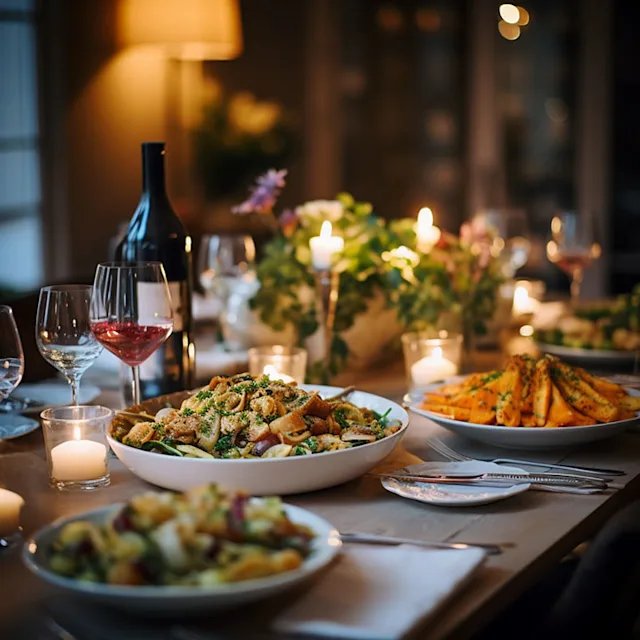
A memorable dinner party does not depend on restaurant-level cooking or an elaborate theme. It comes from a relaxed host, a menu you can manage and a setting that helps guests connect. This practical dinner party planning guide takes you from the first invitation to the final coffee, with simple ways to make the evening feel thoughtful without making it stressful.
Choose a Date and Send Dinner Party Invitations
Start with a realistic guest list and send invitations two to three weeks ahead. Include the date, arrival time, address, dress code if there is one, and when you expect dinner to be served. Ask about allergies and dietary requirements at the same time. A digital invitation or group card makes it easy to share the details and gives guests one place to respond.
Plan a Dinner Party Menu You Can Prepare
Build the menu around dishes you have cooked before. Choose a starter that can be assembled early, a main course that does not need constant attention and a dessert that can be made the day before. Balance rich dishes with something fresh, and make sure every guest has a complete meal rather than a collection of side dishes. Write a shopping list by course, then check serving plates and utensils before you buy ingredients.
A Simple Three-Course Menu Formula
A reliable formula is a cold or room-temperature starter, a slow-cooked or oven-finished main with two sides, and a make-ahead dessert. This keeps last-minute work to a minimum. If guests are bringing food, agree exactly what each person will provide so the menu stays balanced and nothing essential is missed.
Create a Dinner Party Timeline
Work backwards from the time you want to eat. Shop one or two days ahead, prepare dessert and sauces the day before, and set the table on the morning of the party. On the day, leave at least an hour before guests arrive to tidy the kitchen, change clothes and check the music and lighting. Add extra time for any recipe stage that depends on the oven.
Set the Table and Create a Welcoming Atmosphere
You only need the tableware guests will actually use. Keep the centre of the table low enough for conversation, use unscented candles around food and leave comfortable space between place settings. Warm lighting and a playlist at conversation-friendly volume will do more for the mood than complicated decorations. Put water on the table before guests sit down.
Serve Drinks Without Spending the Evening at the Bar
Offer water and a small selection of alcoholic and alcohol-free drinks rather than trying to stock every option. A self-serve drinks area lets guests help themselves and keeps traffic away from the kitchen. If you make a signature drink, choose one that can be mixed in a batch and label an alcohol-free alternative clearly.
Help Guests Relax and Connect
Introduce people with a useful point of connection rather than just their names. Seat quieter guests near warm conversationalists, avoid putting couples together automatically and keep one or two easy conversation prompts in mind. Games can work well, but they should be optional and simple enough not to interrupt the flow of dinner.
Add Thoughtful Finishing Touches
Small details make a dinner party feel personal: handwritten place cards, a favourite song requested by each guest or a short thank-you message after the evening. If the gathering marks a birthday, farewell or team celebration, invite everyone to add a note to an online group card before the party and share it over dessert.
Dinner Party Hosting Checklist
Before guests arrive, confirm dietary requirements, chill drinks, empty the dishwasher, prepare a place for coats and check the bathroom. Put serving utensils with each dish, keep containers ready for leftovers and decide what can wait until morning. Once the doorbell rings, stop chasing perfection and focus on welcoming people.
The best dinner parties feel generous, not flawless. Prepare what you can, choose food that lets you join the conversation and give guests clear information before they arrive. People are far more likely to remember how welcome they felt than whether every plate reached the table at exactly the same moment.